The Huelva County Wine Route is officially unveiled in El Rocío and completes its certification as a member of the Spanish Wine Routes Product Club
- Ruta del Vino Condado de Huelva
- /
- 23 de June de 2026
- /
- Blog and news
The Huelva County Wine Route is officially unveiled in El Rocío and completes its certification as a member of the Spanish Wine Routes Product Club
The project, driven by a collaboration between government agencies and businesses, aims to establish Huelva County as one of Andalusia’s leading destinations for wine tourism and experiential tourism
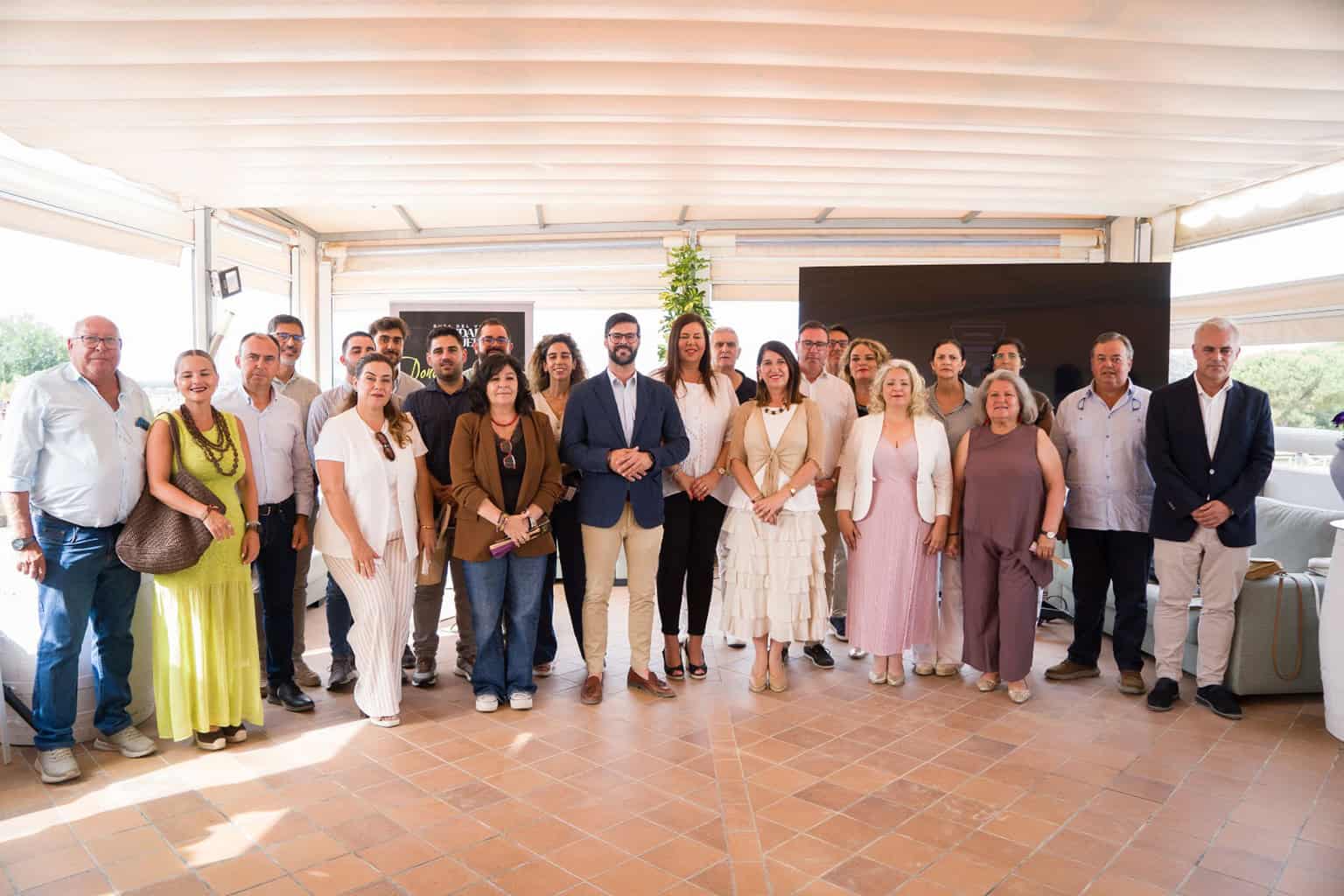
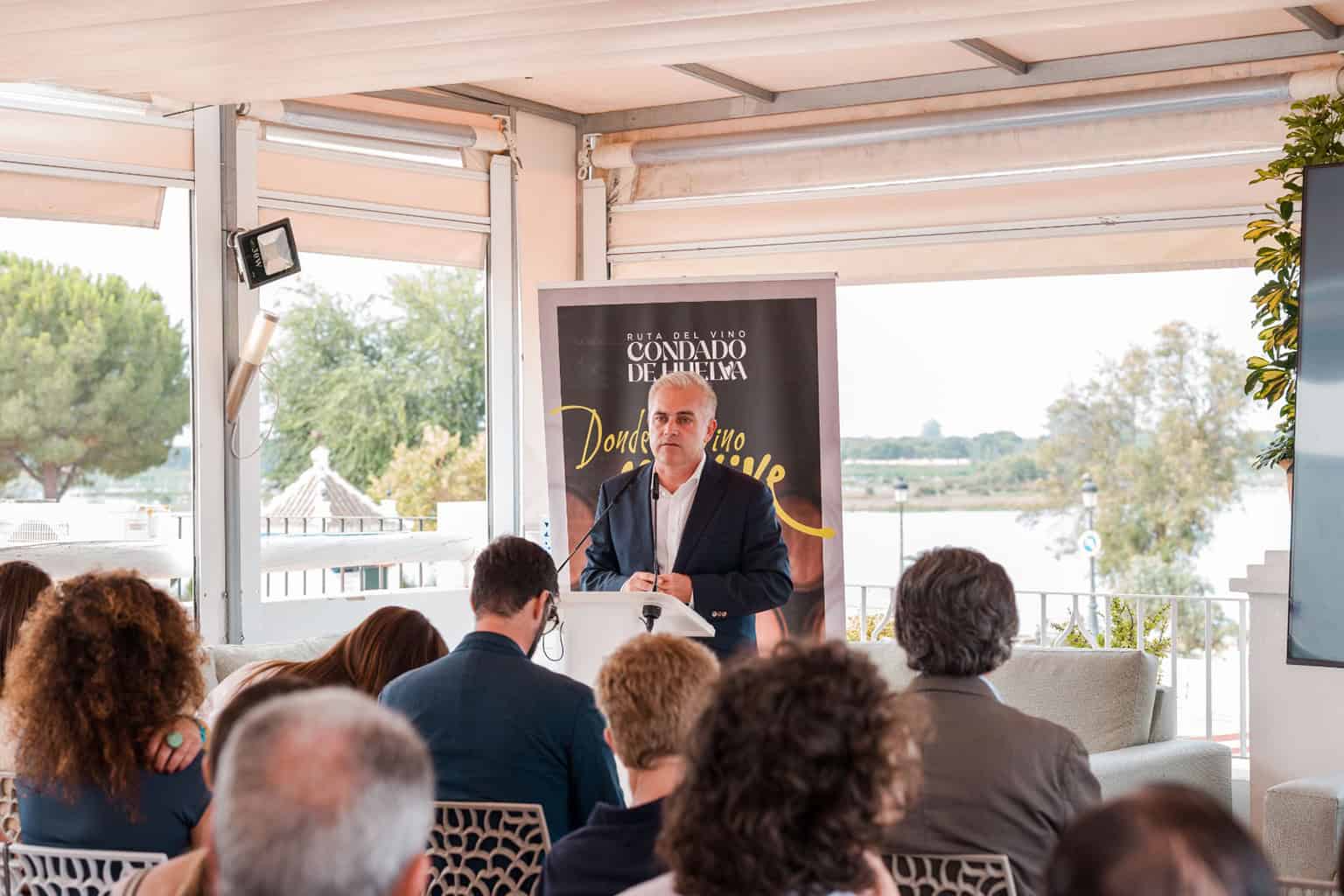
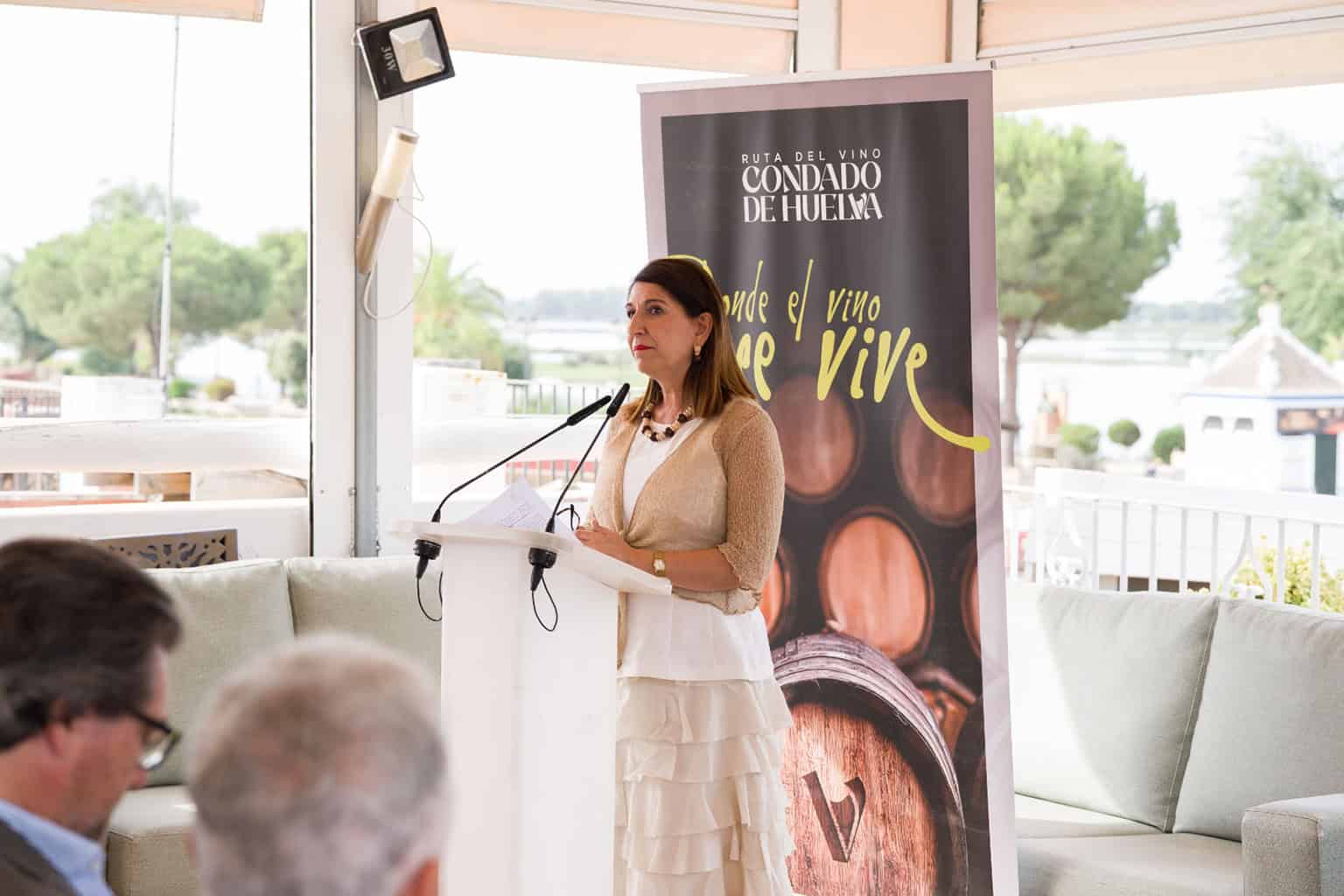
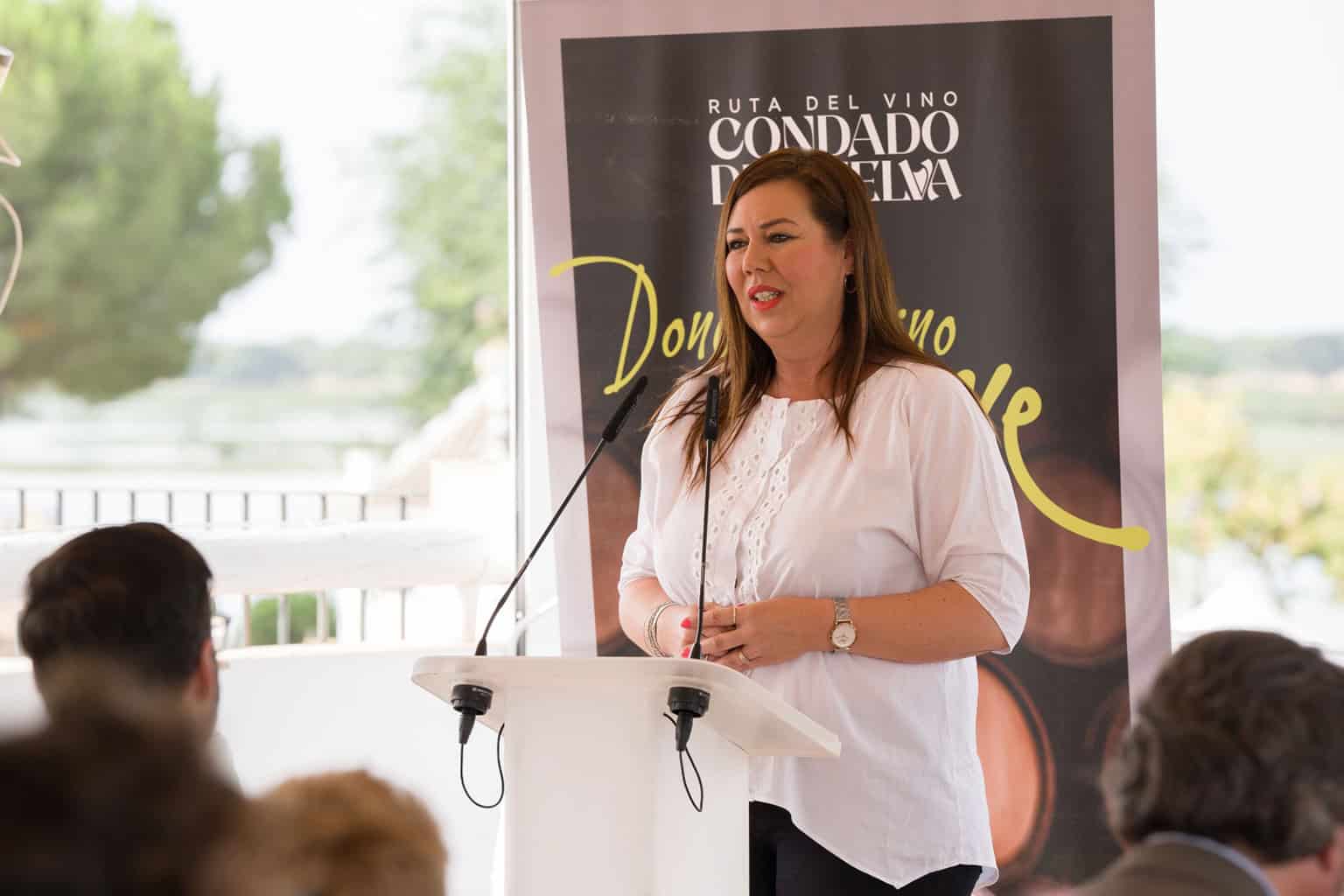
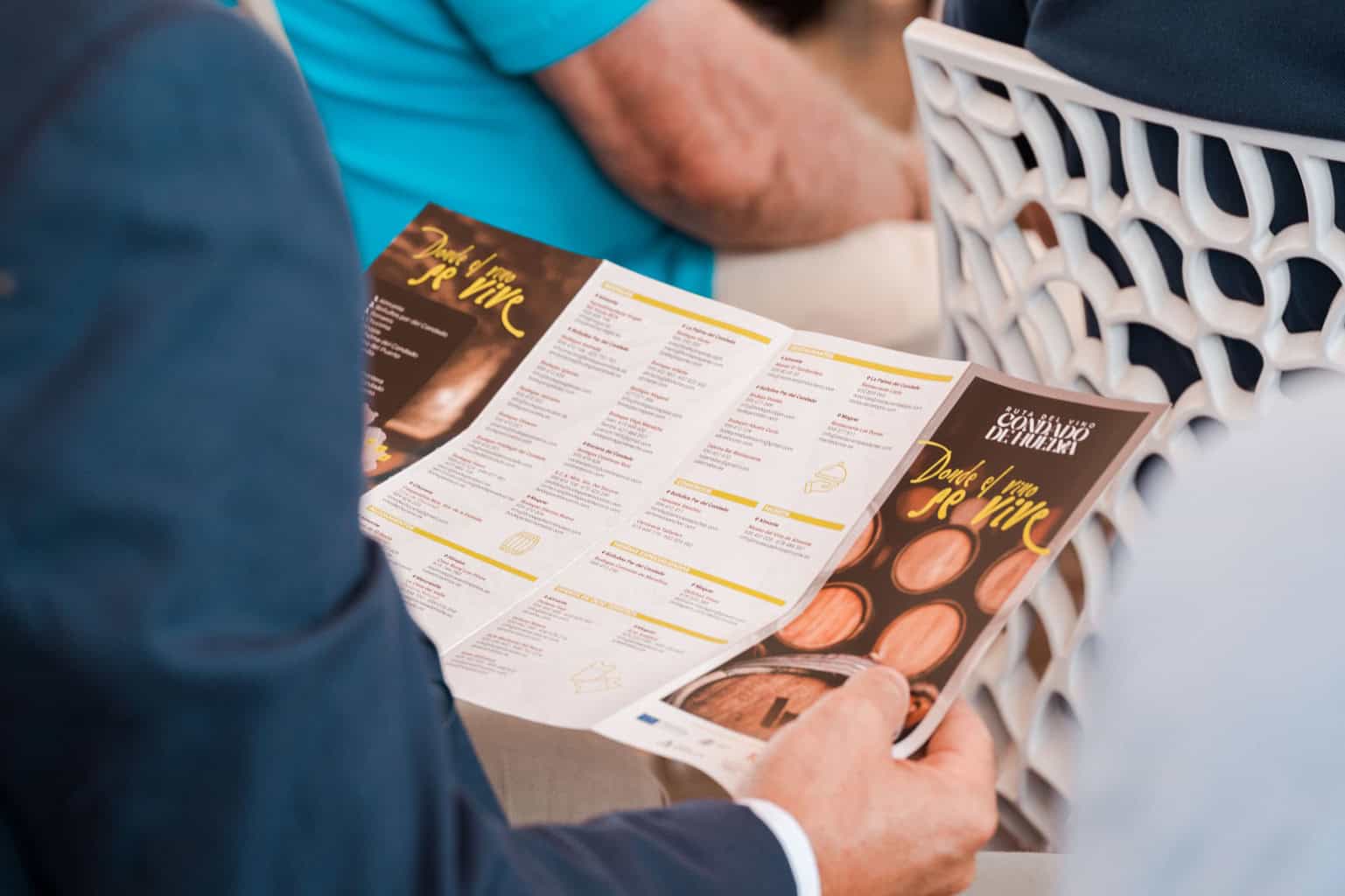
El Rocío (Almonte), June 23, 2026.– The Hospedería El Cazadero Real, in the village of El Rocío, hosted the official presentation today of the Huelva County Wine Route, a project that transforms the region’s wine-growing, cultural, gastronomic, and scenic heritage into a comprehensive and sustainable tourist experience.
The event, which brought together institutional representatives, municipal governments, wineries, participating companies, and tourism sector stakeholders, also served to announce a historic milestone: the receipt of a favorable audit report from ACEVIN, the final step toward the Huelva County Wine Route becoming a full member of the Spanish Wine Routes Product Club.
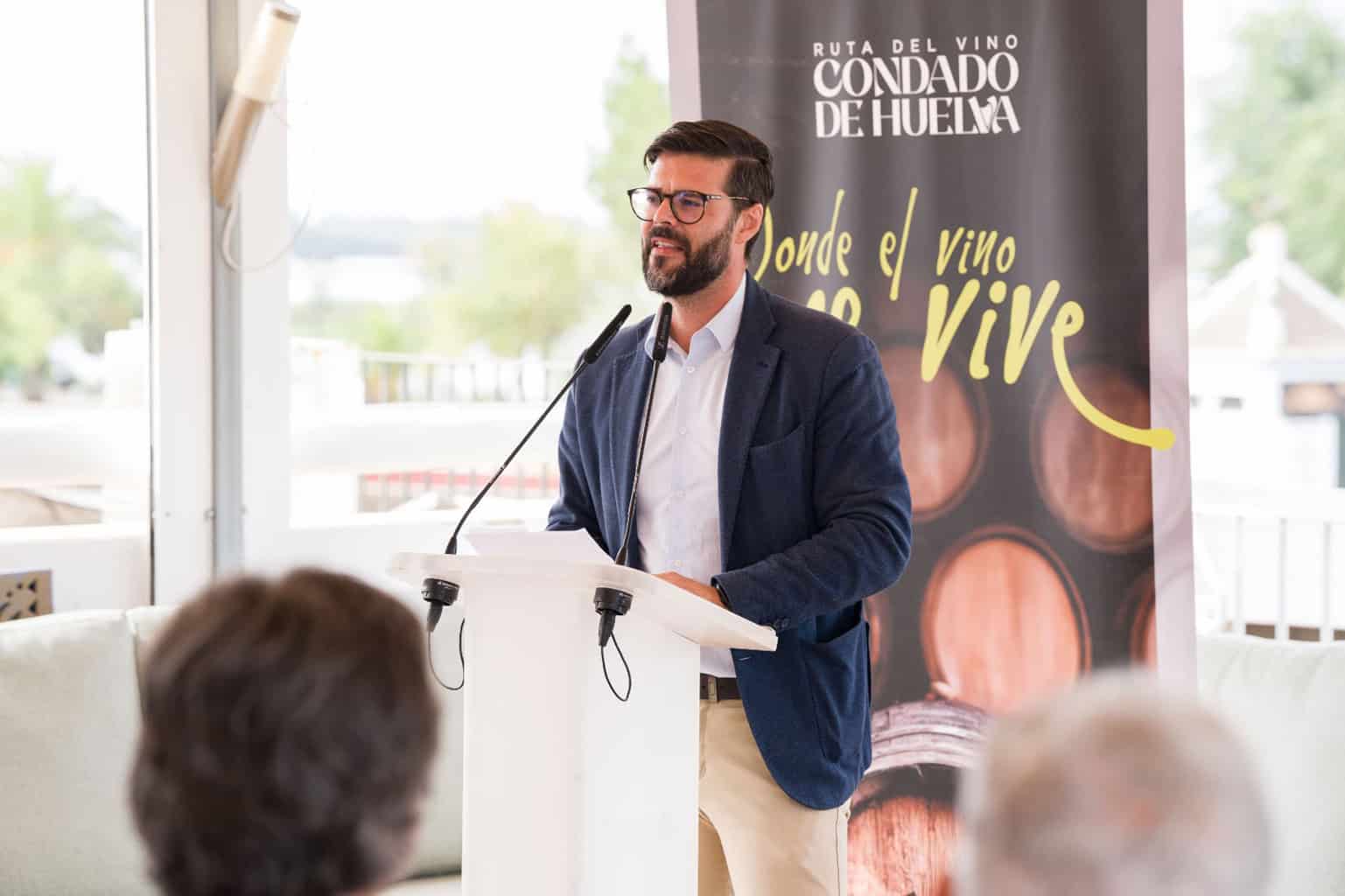
The presentation was opened by Adrián Moreno, manager of the Wine Route and the Huelva County Development Association, who highlighted the collaborative nature of this achievement and thanked the technical team, the government agencies, and the participating companies for their work.
During his remarks, Moreno also emphasized the collective nature of the project and the fundamental role played by the wine sector—and, in particular, by the winegrowers and farmers who have kept the landscape and wine culture alive generation after generation. He also highlighted the Route’s broad representation: 15 wineries, an interpretation center, two wine bars, seven lodging establishments, six restaurants, two specialty shops, five companies offering leisure and active tourism activities, four tourist offices, the fifteen municipal governments in the region, the Regulatory Council for the Protected Designations of Origin “Condado de Huelva” and “Vinagre del Condado de Huelva,” and the Protected Geographical Indication “Vino Naranja del Condado de Huelva,” the Huelva Provincial Council, and the Condado de Huelva Development Association.
“This diversity makes the Huelva County Wine Route one of the most comprehensive in Spain and one with the greatest capacity to offer experiences tied to the region,” emphasized the route’s director. He added that the project continues to grow with new participants eager to be part of an initiative that aims to establish itself as a leader in national wine tourism.
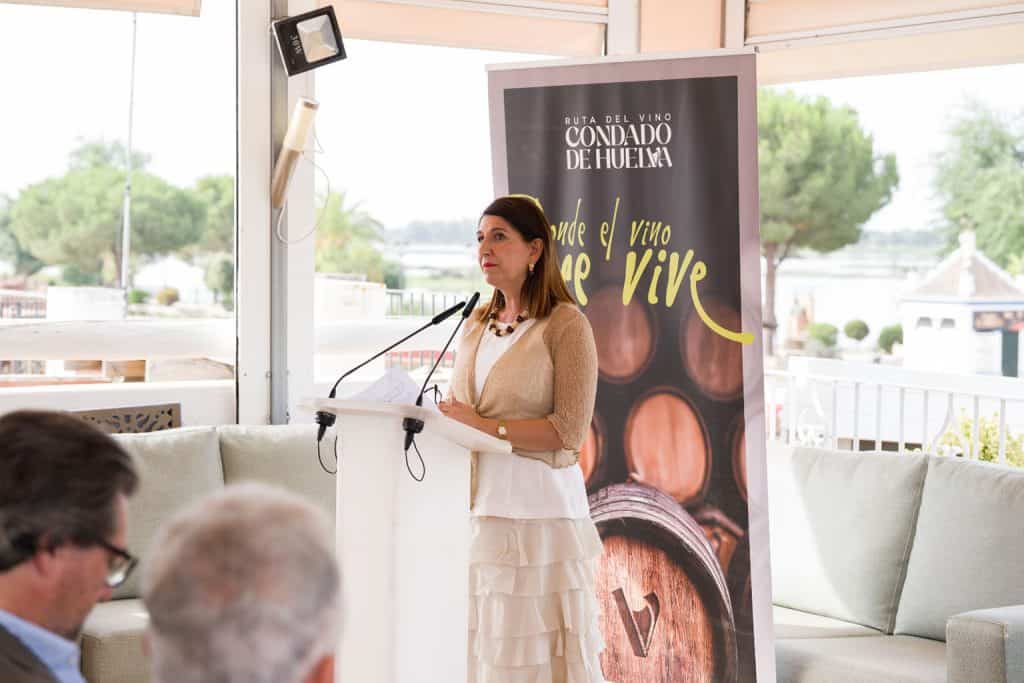
For her part, Teresa Herrera, the regional delegate for Tourism, Culture, and Sports for the Regional Government of Andalusia, emphasized that the County of Huelva possesses a “unique and unparalleled” heritage and noted that the 2.9 million euros from the Destination Tourism Sustainability Plan have made it possible to transform one of the province’s greatest treasures into a competitive tourism product.
“Wine is part of the identity of the Huelva County. But this route goes far beyond that: it brings together heritage, gastronomy, landscape, nature, culture, and hospitality,” said the regional official, who emphasized the importance of experiential and gastronomic tourism as an economic driver for the region.
Herrera also emphasized that the Huelva County Wine Route is “a magnificent showcase for presenting to the world the excellence of our wines, the quality of our cuisine, and the uniqueness of a region that has so much to offer.”
Rocío Moreno, vice president of the Huelva Provincial Council, noted that this project began to take shape nearly two decades ago and highlighted the consensus reached between government agencies and the private sector to make it a reality.
“When it comes to projects that revitalize our region, there should be no room for political divisions,” he said, emphasizing institutional unity as one of the project’s fundamental pillars.
Moreno also pointed out that tourist signage and the restoration of wineries have enabled visitors to recognize the Huelva region as a true wine-growing region, thereby strengthening the region’s identity.

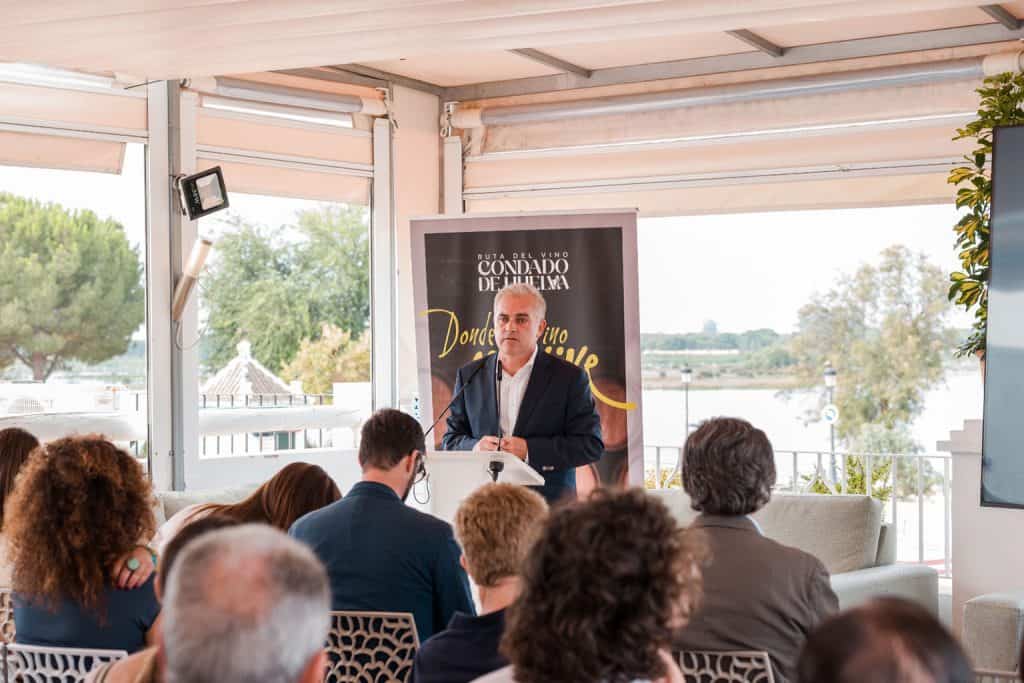
The event was brought to a close by the president of the Huelva County Wine Route Association and the Huelva County Development Association, Francisco de Asís Pérez Picón, who stated that the Route “is not merely a tourist attraction, but a way of understanding development based on collaboration and the pooling of efforts.”
The president emphasized that the county has managed to take it a step further, moving beyond simply talking about great wines to also offering experiences related to heritage, gastronomy, the landscape, and culture.
“This is not the end, but the beginning of a journey that has just begun. We have a magnificent product to showcase, and we must believe in it,” said Pérez Picón, who added that they are already working with the Regional Government of Andalusia on future joint initiatives with other Andalusian wine routes to strengthen the promotion of the region.
The presentation, held at the foot of the Blanca Paloma, symbolized the union between wine, heritage, nature, and culture in a privileged region between Doñana and the Atlantic, destined to become one of the leading destinations for experiential tourism in Andalusia.
Because, now more than ever, in Huelva County, wine is a way of life.
www.rutavinocondadodehuelva.es