Corpus Christi in Hinojos and the Saca de las Yeguas in Almonte: Two unique festivals in Condado de Huelva.
- Ruta del Vino Condado de Huelva
- /
- 28 de May de 2026
- /
- Blog and news
CORPUS CHRISTI IN HINOJOS AND LA SACA DE LAS YEGUAS IN ALMONTE: Two unique festivities in Condado de Huelva
In the heart of Condado de Huelva, between centenary vineyards and the marshes of Doñana, traditional celebrations of enormous rootedness are lived in this coming month of June. The Corpus Christi of Hinojos and the Saca de las Yeguas in Almonte are two very prominent. Both remain unchanged for centuries and are closely linked to the landscape and local culture. Knowing these festivities also invites you to visit its white villages, taste its wines (such as the fresh ones made with the native grape zalema) and link to the Wine Route of Condado de Huelva.
Corpus Christi in Hinojos: entering an urban jungle and popular devotion
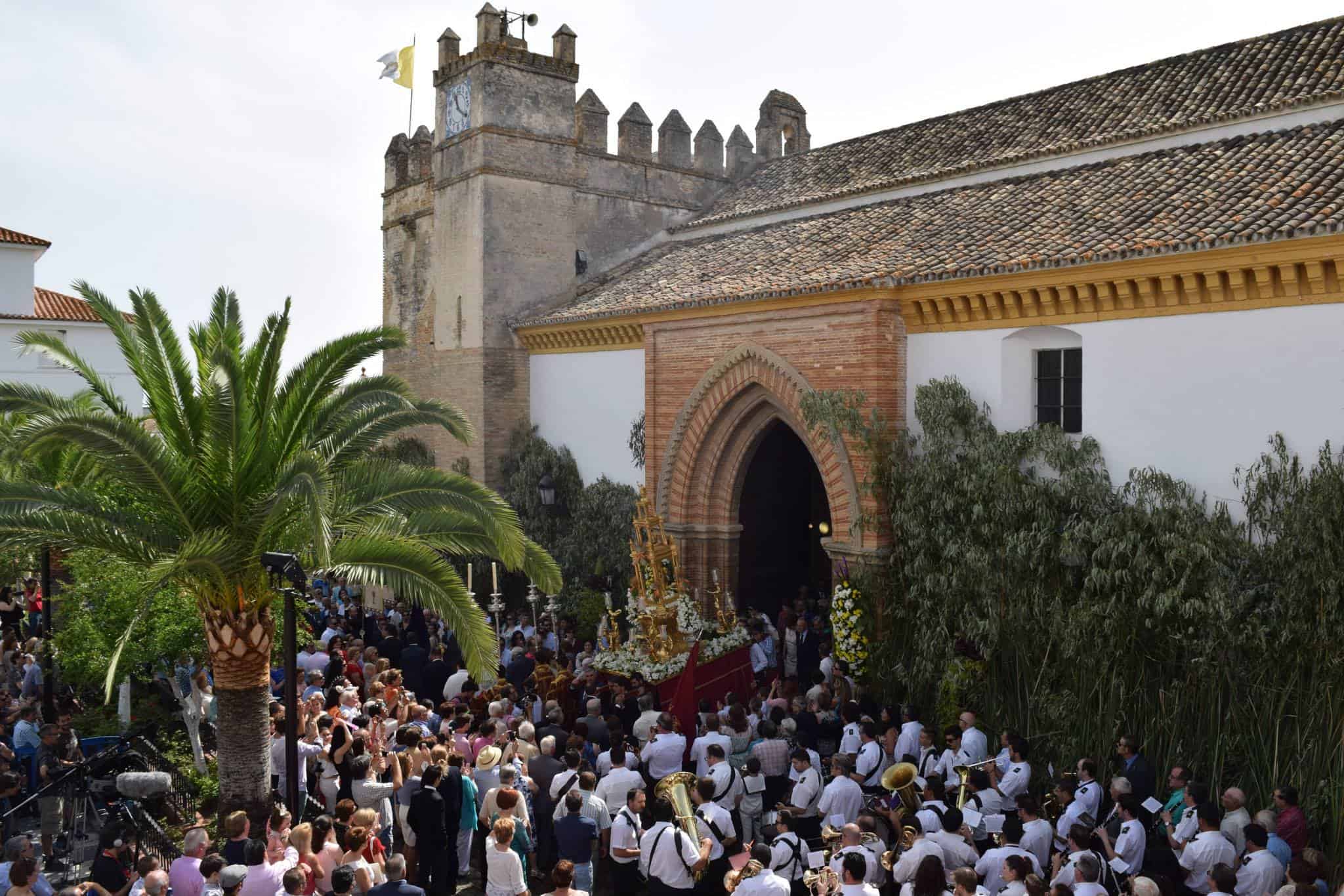
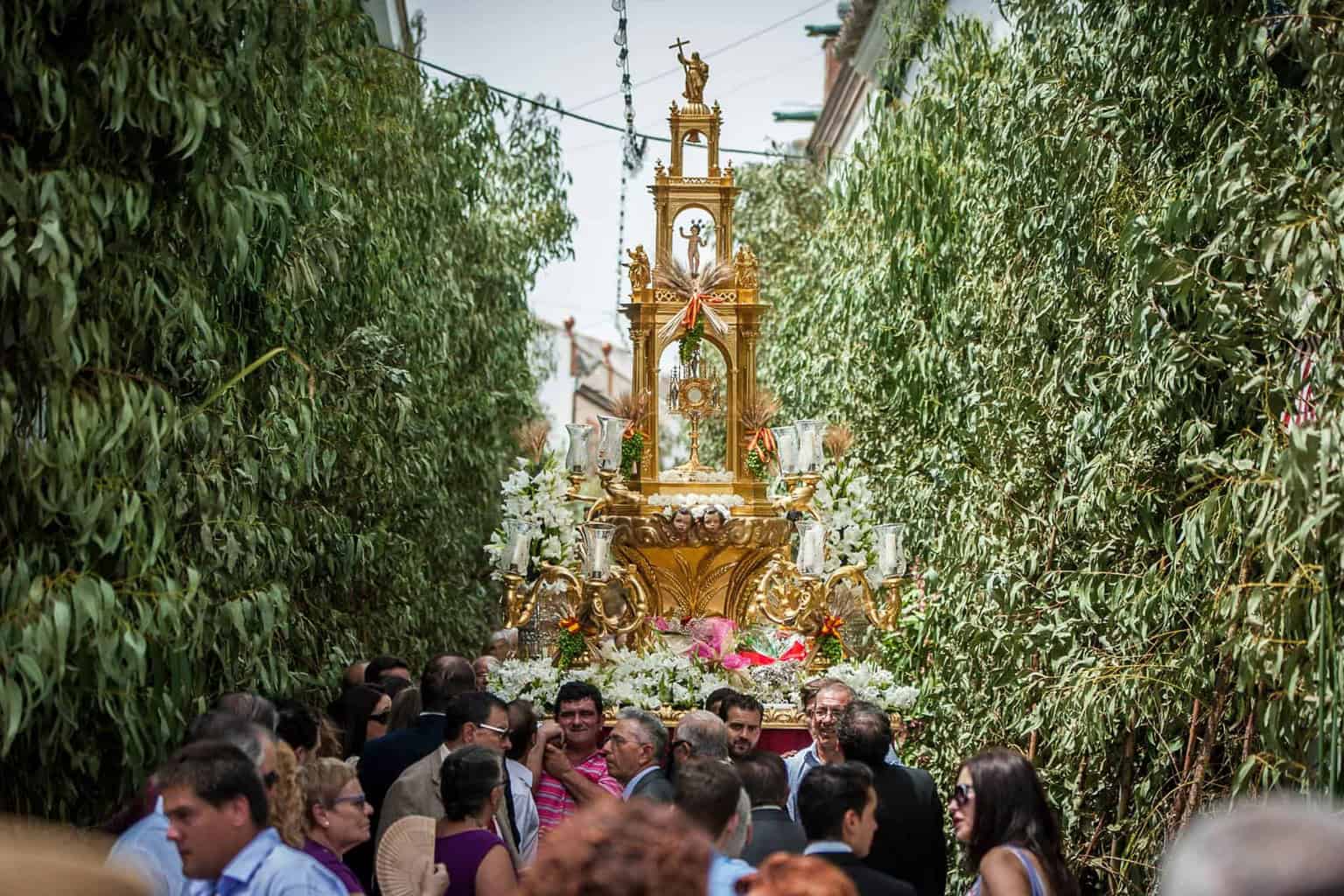
The Corpus Christi of Hinojos (declared of Cultural Interest by the Junta de Andalucía with the typology of Ethnological Interest Activity ) turns every year the streets of the historic center in a real sacred garden. From the day before Corpus Christi, this year will be June 7, 2026, the neighbors decorate facades and doorways with branches of eucalyptus, rosemary, myrtle, carex, sedges and other native aromatic plants. Every corner of the village is covered with eucalyptus, transforming the streets into vertical forests, and the ground into a blanket of rosemary and thyme. The result is a unique atmosphere: the air is filled with mountain aromas as the procession of the Blessed Sacrament passes through the streets amidst walls of vegetation, music and prayers, a sensory experience.
This popular rite, documented since 1596 and declared BIC in 2018, is one of the most beautiful exponents of Andalusian religious traditions. Every year on Corpus Christi Sunday the monstrance leaves in procession with the faithful through aisles of greenery, carpeted with rosemary, reeds and other plants. Throughout the morning, the houses open their doors to offer typical sweets (pestiños, rosquetes, homemade mantecados, etc.) that sweeten the wait of thousands of visitors. In short, “the Corpus of Hinojos is a feast of the senses where faith, ephemeral art and neighborhood coexistence go hand in hand”.
This unique festival is a perfect opportunity to discover Hinojos and its surroundings. In addition to attending the mass and procession, visitors can stroll through whitewashed streets, visit the parish church (also declared BIC) and tour the area of Doñana in whose heart is inserted throughout the municipality. Along with sacred music, in the previous days there are local exhibitions, popular music and children’s evenings, within a complete municipal program. And of course, there is no shortage of Condado flavors: in the surrounding taverns and inns you can pair the wines of the region -fresh or generous white wines, vermouth, sparkling wines and the famous Condado Orange Wine.
The other unavoidable stop for the month of June is in the neighboring municipality of Almonte: Saca de las Yeguas, an ancient equestrian tradition.
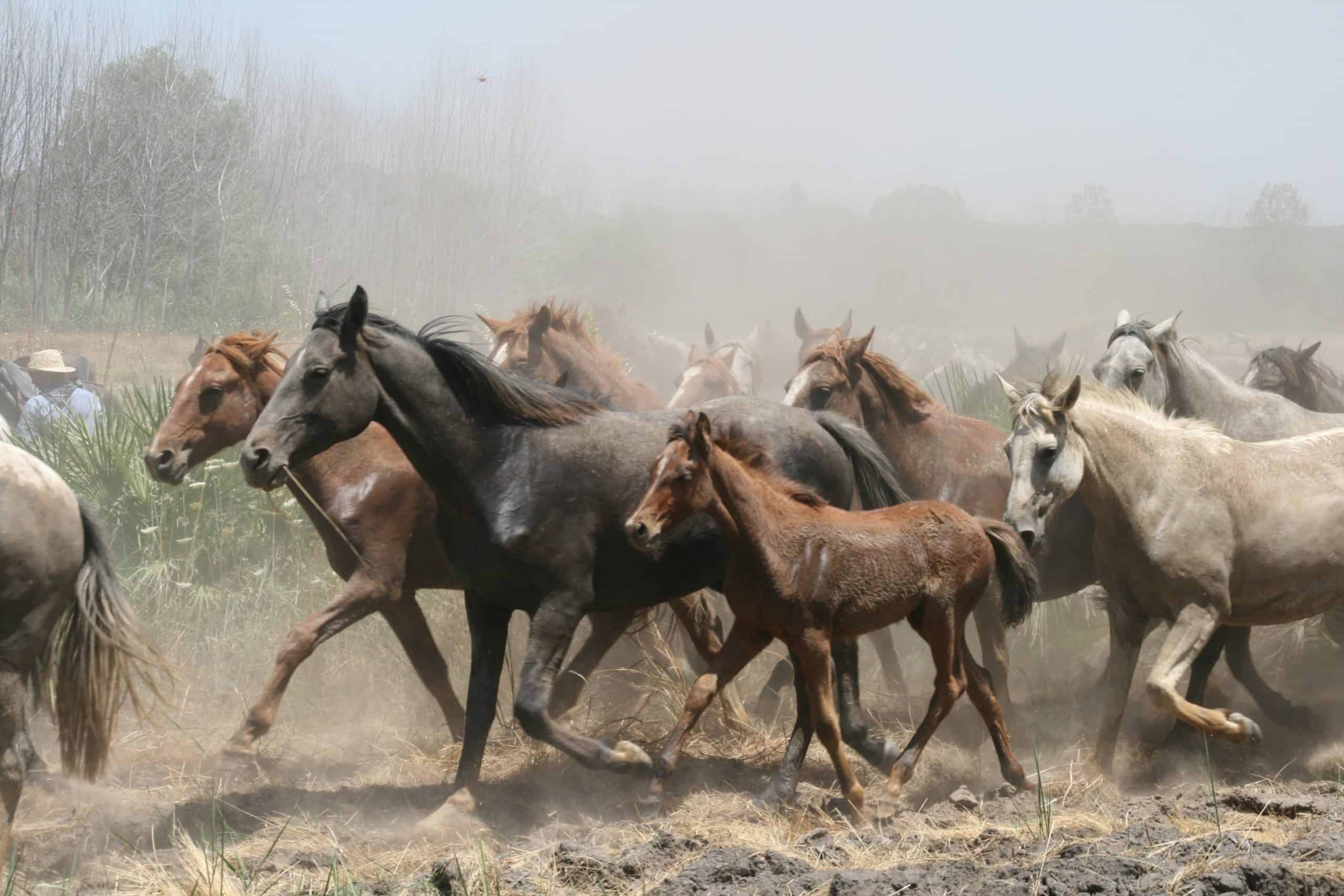
The Saca de las Yeguas is an ancestral livestock rite that is celebrated every June 26 in the village of El Rocío (Almonte). It consists of gathering the wild mares that graze freely in the marshes of Doñana and taking them to Almonte to select, mark and sell them. This custom comes from the Caliphate of Cordoba and was regulated in 1504 by the Duchy of Medina Sidonia. More than five centuries later, it is still going strong: every year, on June 26th, the mares gather with their newborn foals and move for a few days from the Doñana National Park to the town of Almonte.
During the day, several “troops” of ranchers(the yegüerizos) arrive at the side of the chapel of El Rocío in the early hours for the blessing of the cattle, and at dusk thousands of horses cross the village following the old paths of pinsapos and scrubland. About 2,500 horses (mares, foals and riders) participate in the transfer to Almonte, attracting, increasingly, the attention of visitors from all over the country and the world.
Once at the Almonte fairgrounds, a livestock fair is held, the year’s foals are sheared and the horses are microchipped -all before the scrutiny of breeders and veterinarians-, and then the animals are released again after several days. It is a festival that combines nature, horsemanship and local folklore, and attracts curious people from all over Spain for its uniqueness, which celebrates its 522nd anniversary in this 2026 edition.
Visiting the Saca de las Yeguas is also a wonderful excuse to get into the environment of Doñana and the Wine Route of Condado de Huelva. During the stay in El Rocío or Almonte, it is advisable to visit the Cooperativa Agroalimentaria Virgen del Rocío (founded in 2000 from three local cooperatives), which produces wines and oils with grapes and olives from Doñana. There, the visits include wine tastings as well as the tasting of the famous Vinagre de Condado or to know its cellar from old pools where now rests the first sparkling wine made from the native grape of the County, the Zalema, in the 90s of the last century.
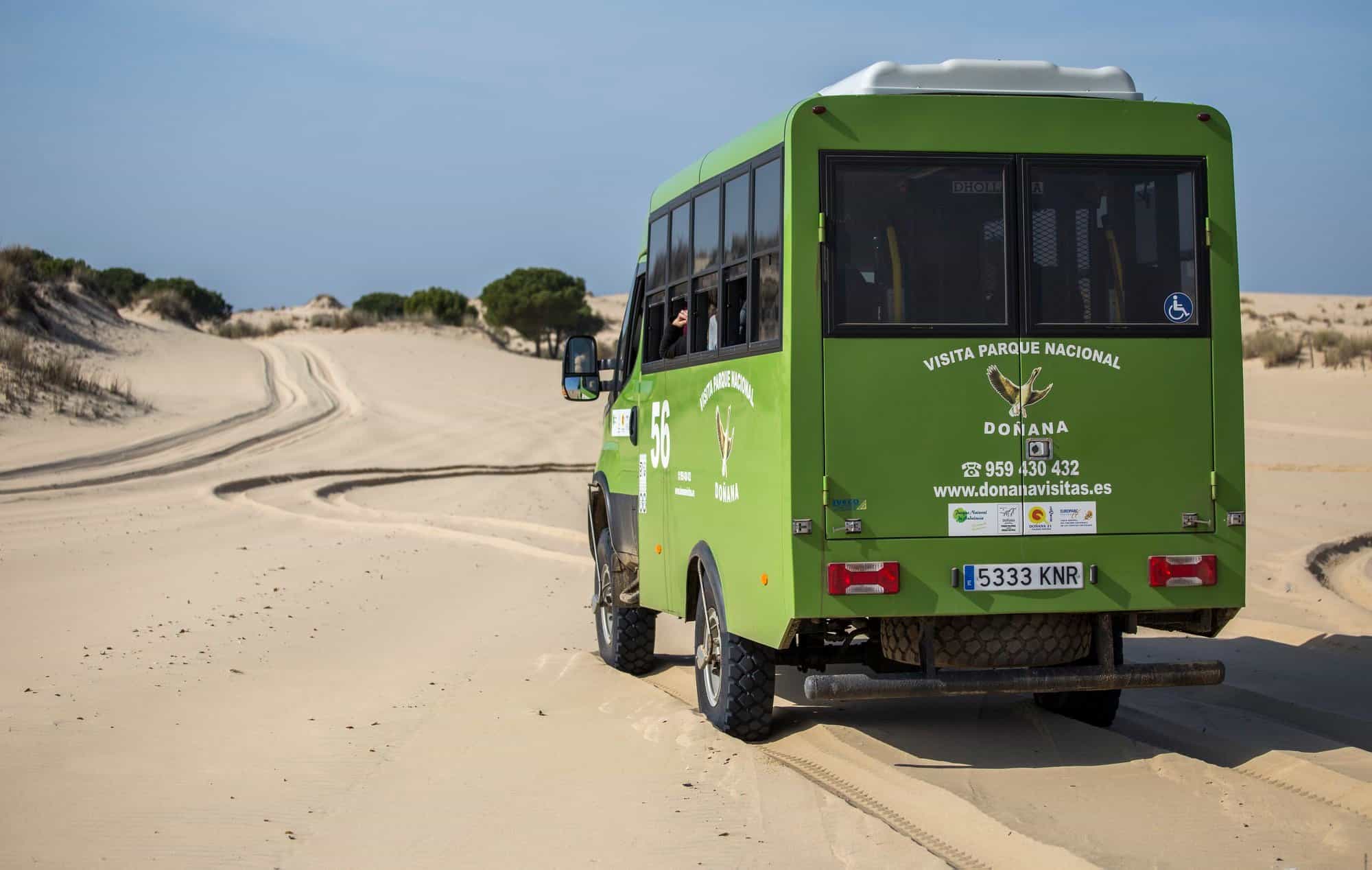
Those who prefer active adventure can take advantage of horseback riding routes through Doñana or if they want to know it in another way, in special vehicles or camels. For them, they will find companies attached to the Route as ‘Doñana Tour’, ‘Doñana Nature’, ‘SCA Marismas del Rocio’, ‘Aires Africanos’ and ‘Arte Andaluz’, which offer the visit to a wide range of possibilities to live this experience intensely.
Both festivals are in the area of influence of the Wine Route of Condado de Huelva, a wine tourism itinerary that runs through 15 municipalities in the region.
The county of Huelva is also famous for its cuisine of contrasts: Huelva ham, white shrimp from the estuary, seasonal red fruits and stews such as caldereta. These flavors pair perfectly with the wines of the area.
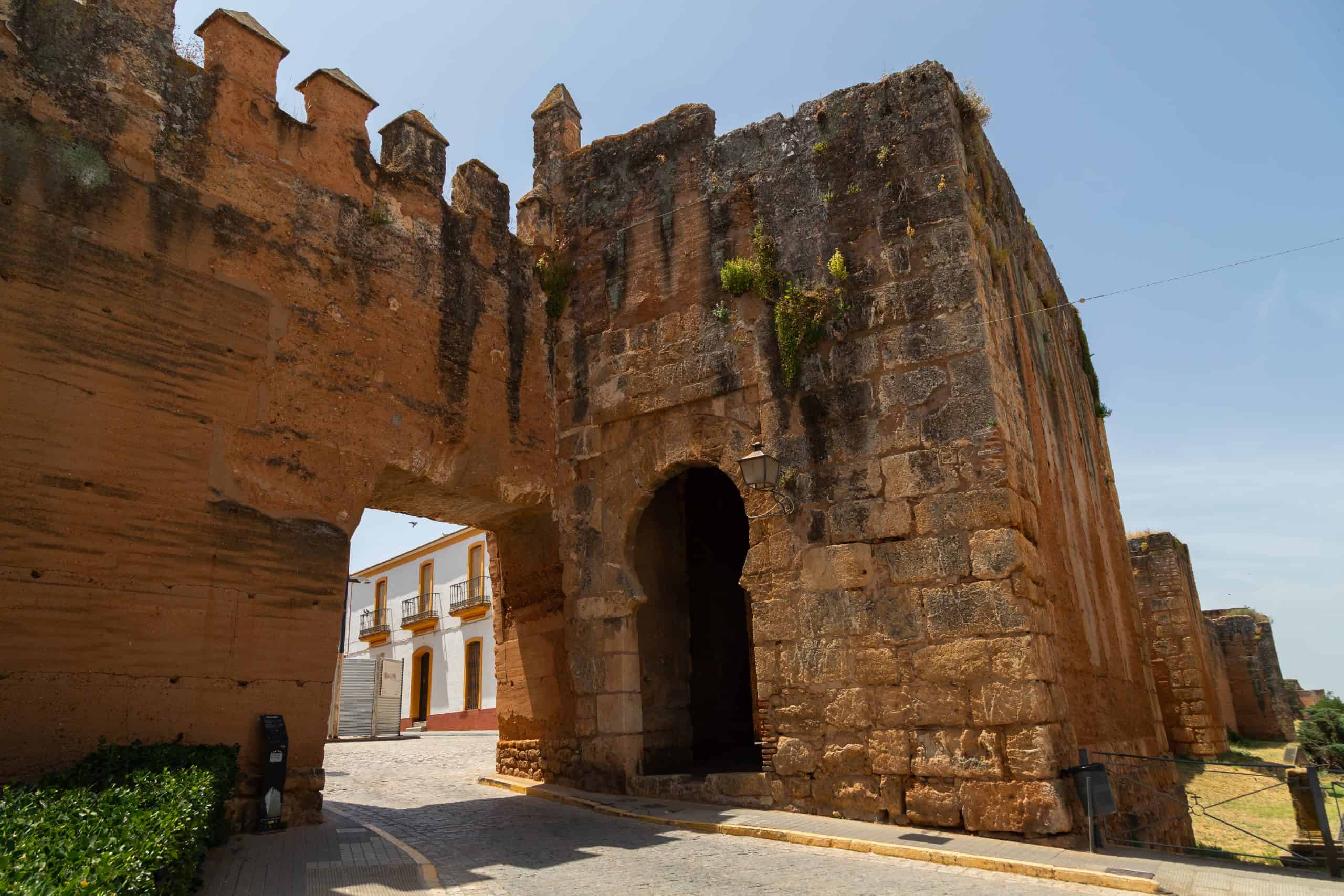
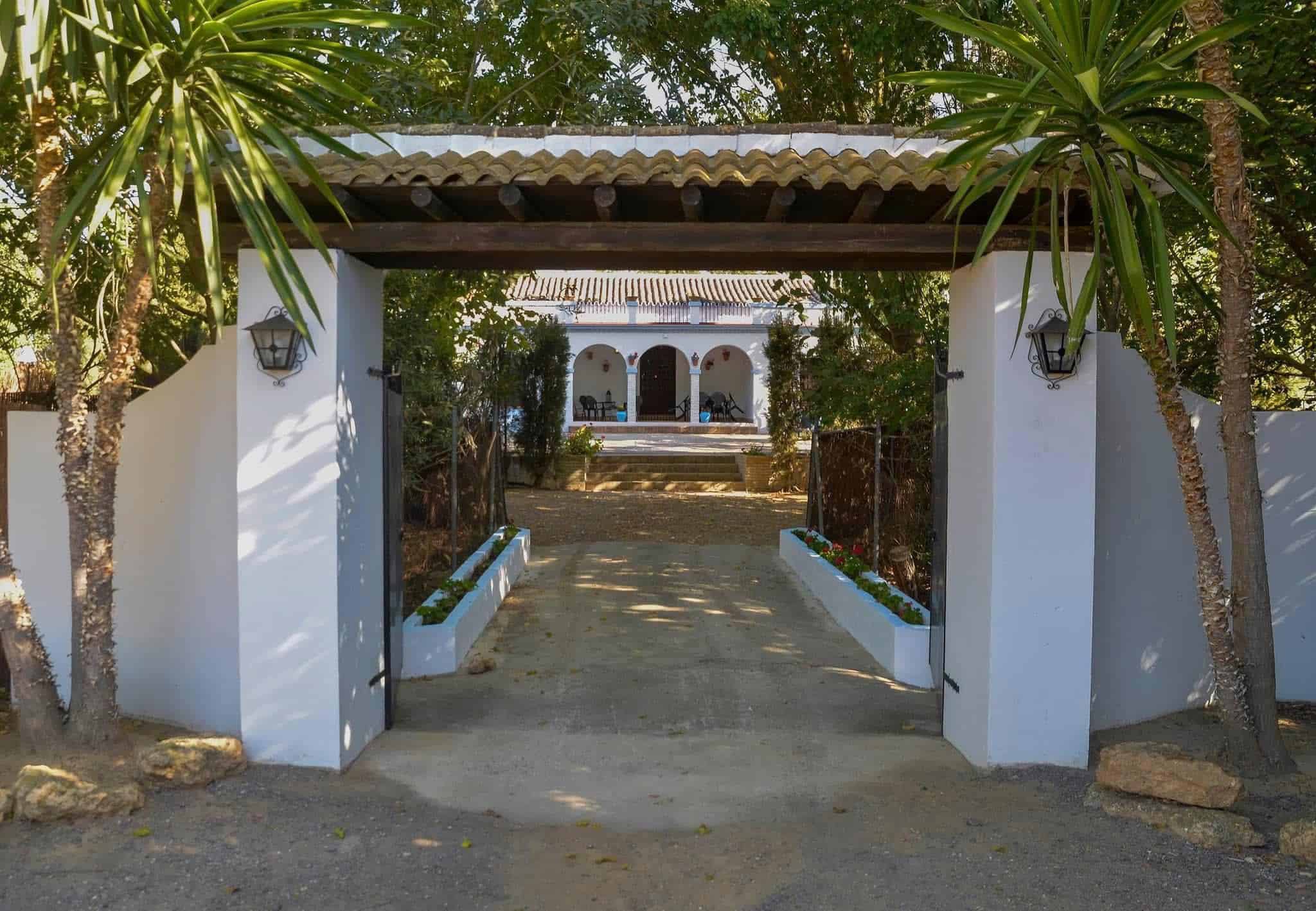
You can complete this experience by staying in a typical house in the village of El Rocío, such as those available in Grupo Hospedarte and ON Acebuchal, or if you prefer, the tranquility of the county fields surrounded by pines, vineyards and olive trees, options offered by ‘Casa Rural Los Pinos’ in Hinojos or ‘La Casa del Valle’ in Manzanilla. Thus, every morning you can walk through the vineyards bordering Doñana -where Juan Ramón Jiménez already spoke of the aroma of the must in the streets of Moguer-, or stroll through historic sites such as the castle of Niebla, knowing its five medieval gates or its more than three kilometers of Almohad walls almost intact.
In short, these two dates in the June calendar in Condado de Huelva are the perfect excuse to delve into the cultural and wine legacy of Condado de Huelva. Enjoying the Corpus Christi in a green sea of aromatic plants, or witnessing the Saca with hundreds of native horses, is to live the territory with all the senses.
Come celebrate and travel around the County: you will see that wine, land and traditions are lived here like nowhere else!