
Lent in Condado de Huelva, Wines and Cultural Heritage
- Ruta del Vino Condado de Huelva
- /
- 20 de March de 2026
- /
- Blog and news
Lent in the County of Huelva, Wine and Cultural Heritage
There is a precise moment in the southern calendar where time seems to stop. It is that moment when the scent of orange blossom and the incense of the brotherhoods intersect with the perfume of the awakening land. We are on the Condado de Huelva Wine Route, and here spring is a choreography of faith, heritage and a wine culture that reinvents itself in each village during Lent.
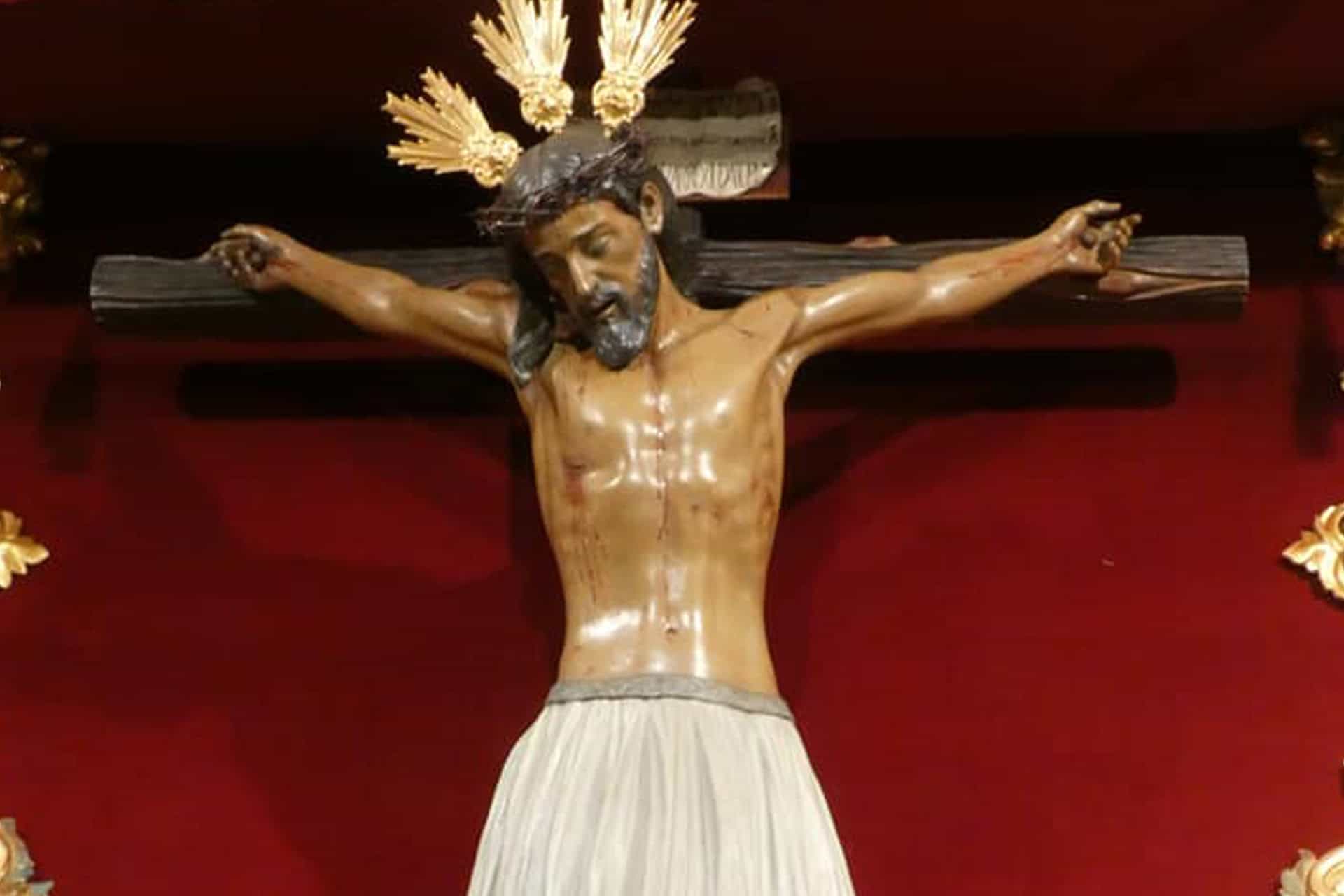
The Wine Route of Condado de Huelva is impregnated with spirituality when arriving to Almonte. Here, Lent is not only a time of waiting, it is a deep experience that prepares the soul for what is to come in the marshes. But if we are looking for a jewel of imagery that overwhelms the visitor, the Route stops us in Chucena. There resides the Christ of Burgos, a Renaissance carving of the eighteenth century, however, wears a cloth of purity or “enagüilla” of Gothic style. It is considered unique in religious imagery, mixing two styles of different centuries, a singular and overwhelming piece of imagery that stands out for its physiognomy and the tradition of its clothing, becoming an essential artistic landmark of the region.
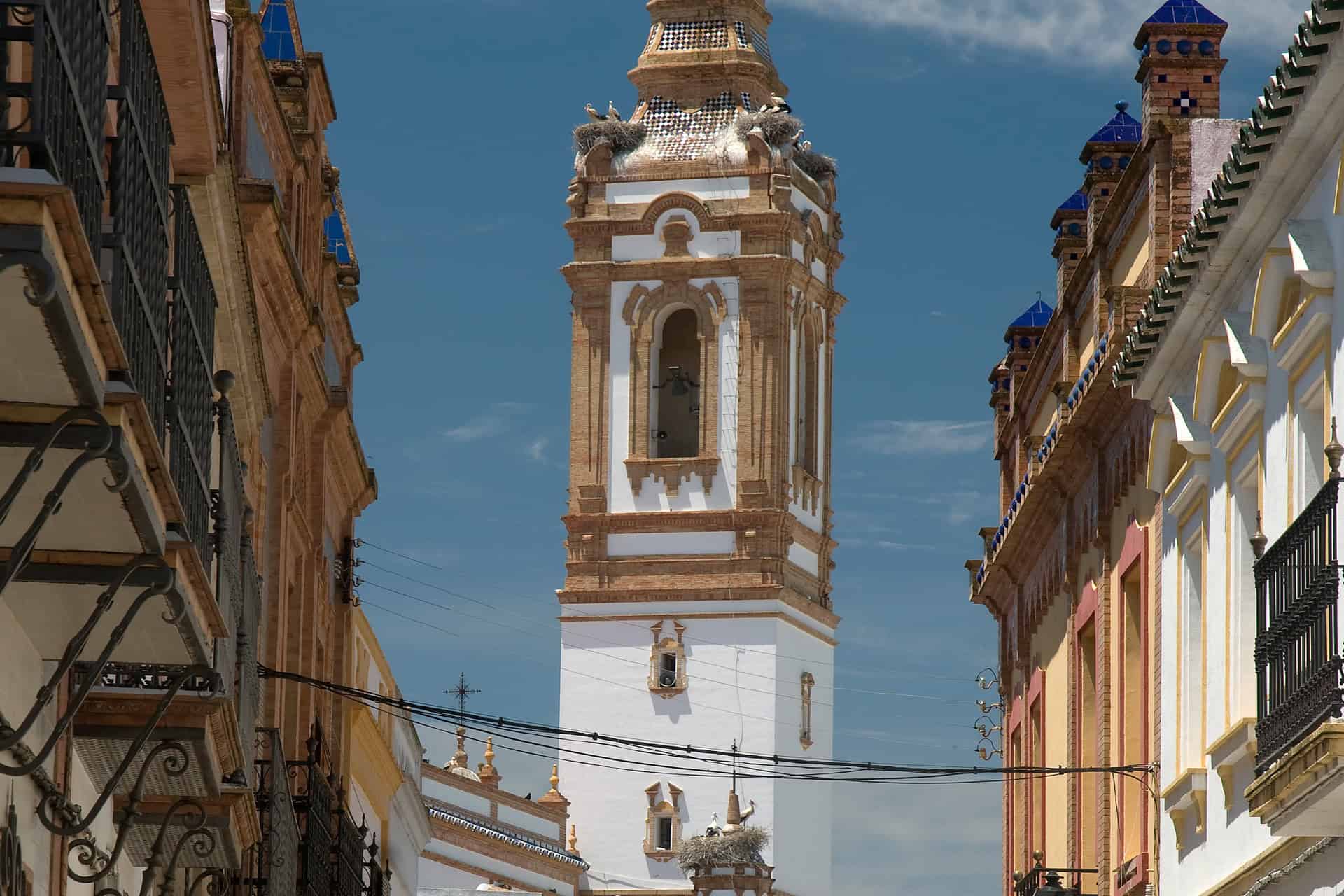
Following our tour of the Condado de Huelva region, we are located in the municipality of Rociana del Condado, the route does not seek hermitages, but the nobility of its civil architecture. Its historic center, declared of Cultural Interest (BIC), is a maze of stately facades that narrate the agricultural power of a land that always looked at the vineyard with pride.
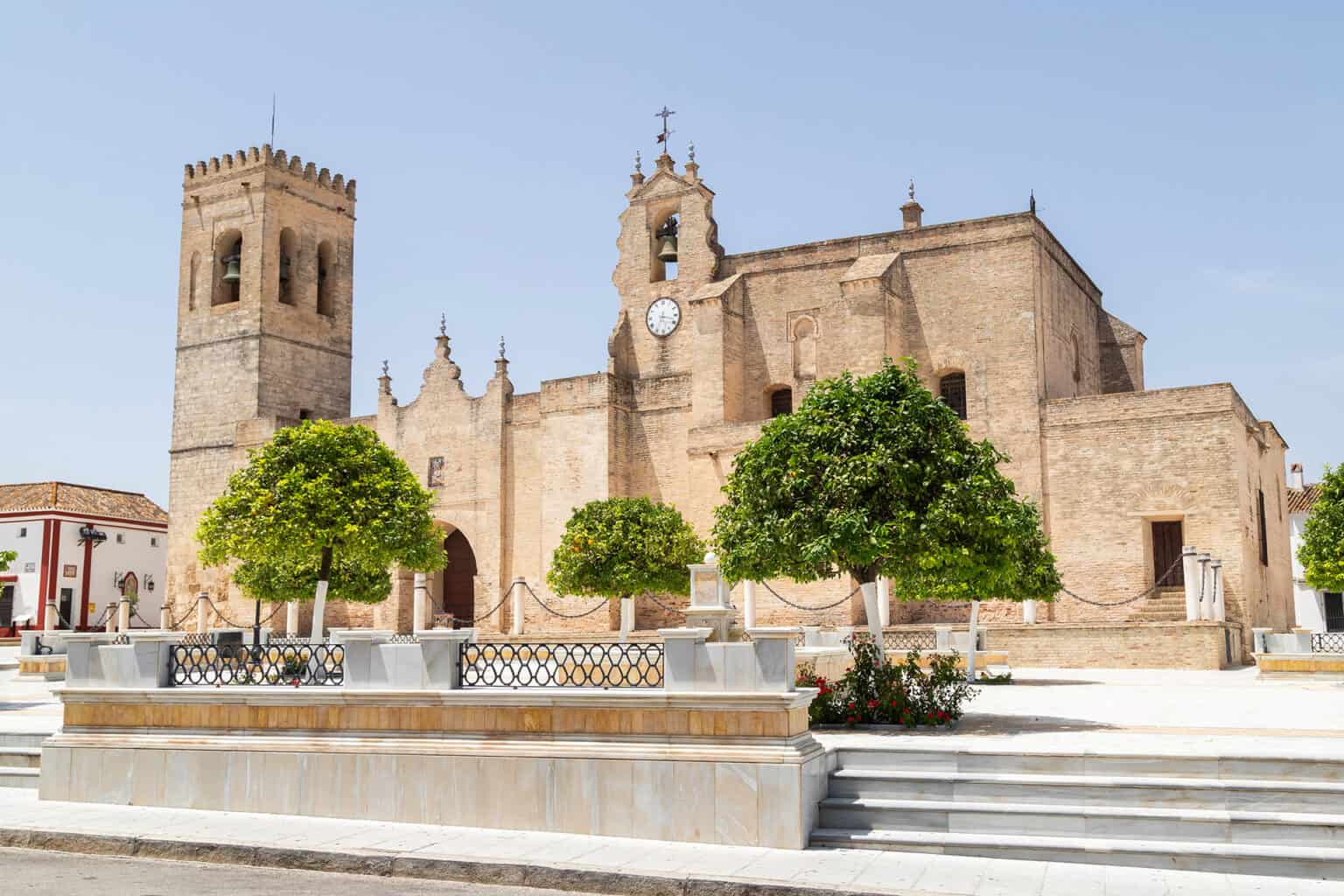
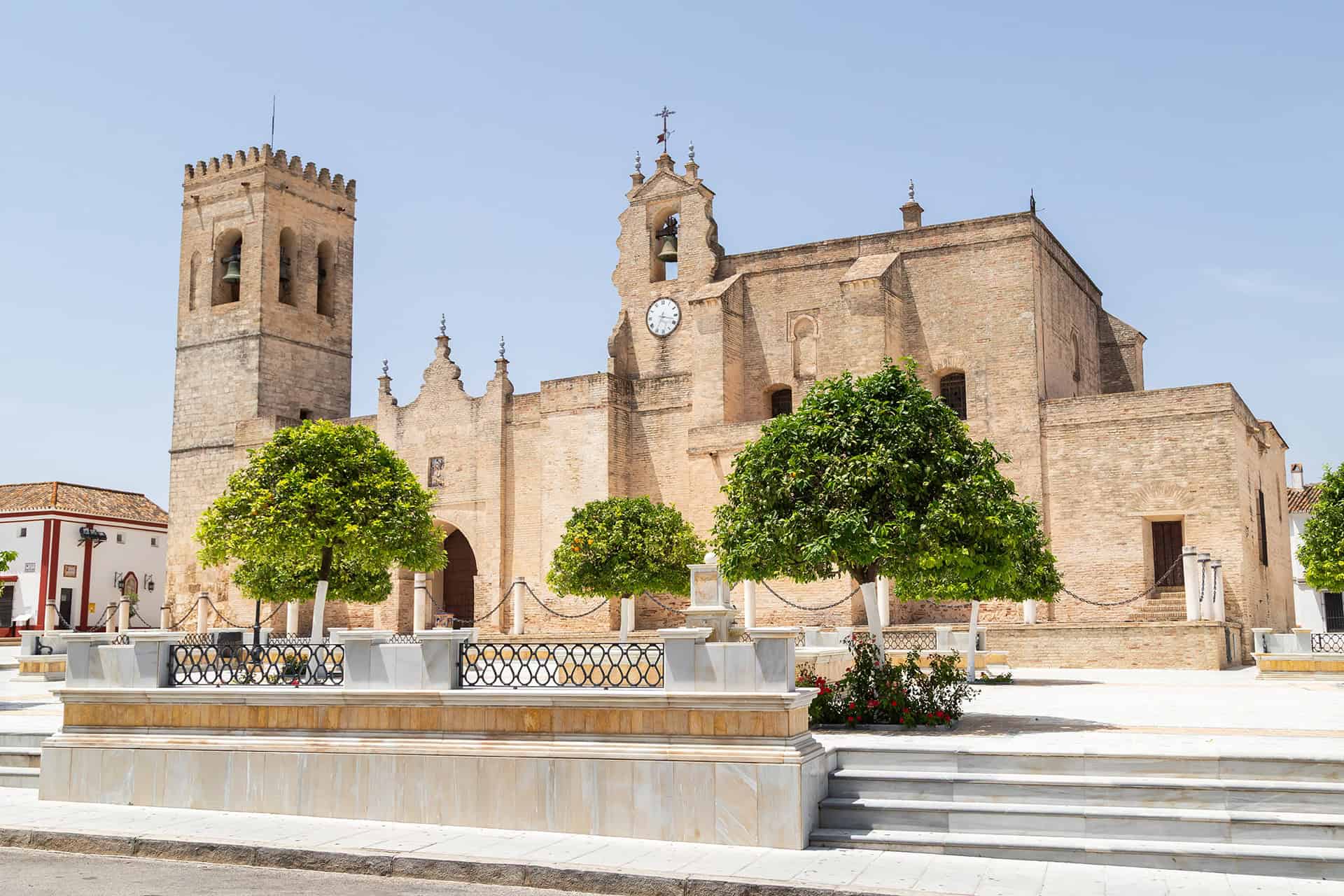
Crossing again the A-49 highway that vertebrates the territory, in Villalba del Alcor, the Route gives us one of its greatest historical peculiarities: its church-fortress of San Bartolomé. Built on an ancient Almohad structure, this fortified temple is a stone testimony of the frontier that once was this region. Its walls guard the silence of the centuries and the memory of those first wines that, according to the chronicles, left for the Indies as early as 1502.
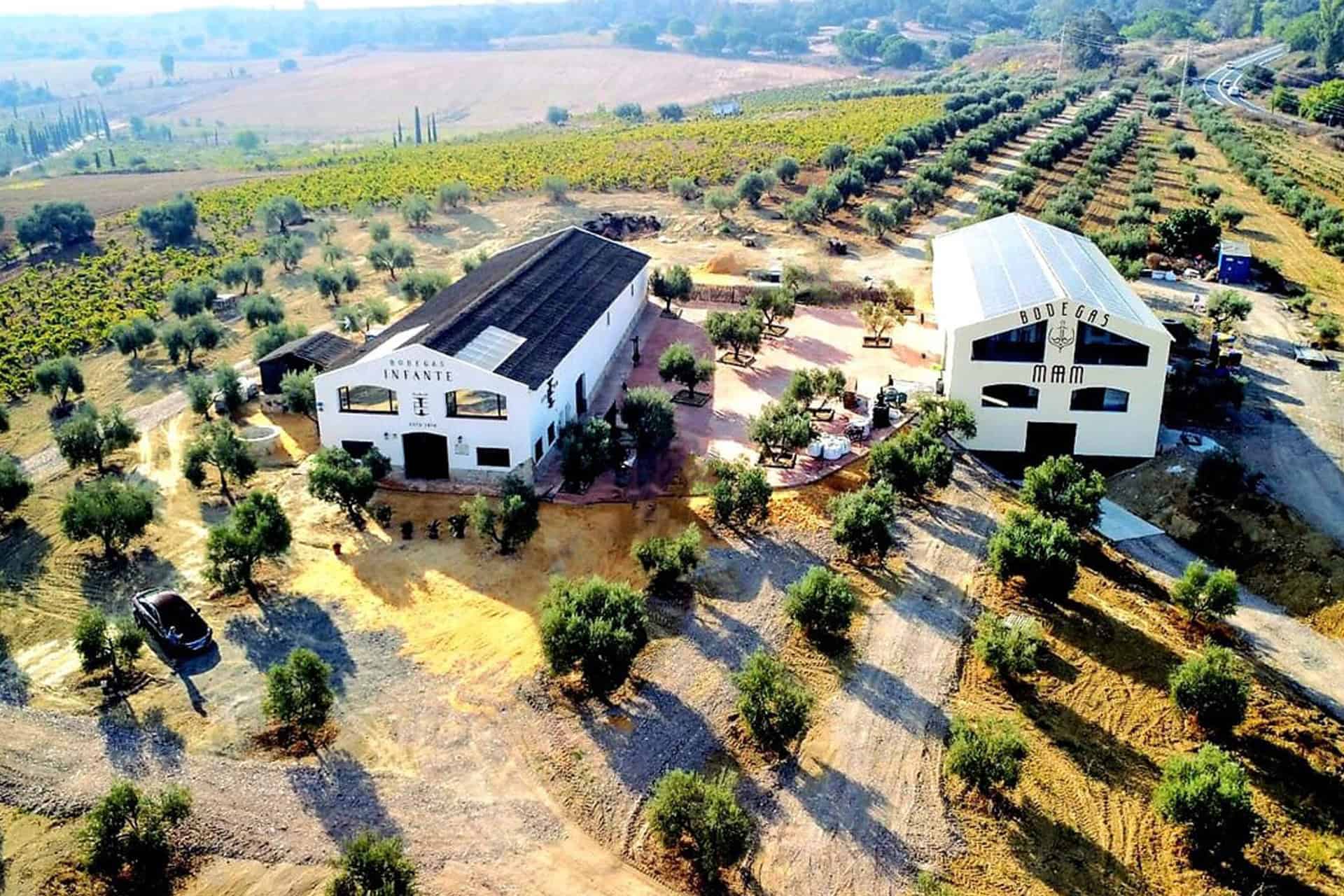
Unlike other stops, La Palma del Condado offers the most contemporary and differential face of the Route. Here, recently created wineries have opted for innovation and signature wines, offering tastings at the foot of the vineyard that move away from the traditional to seek new expressions of the land. It is the perfect counterpoint to the tradition of other municipalities.
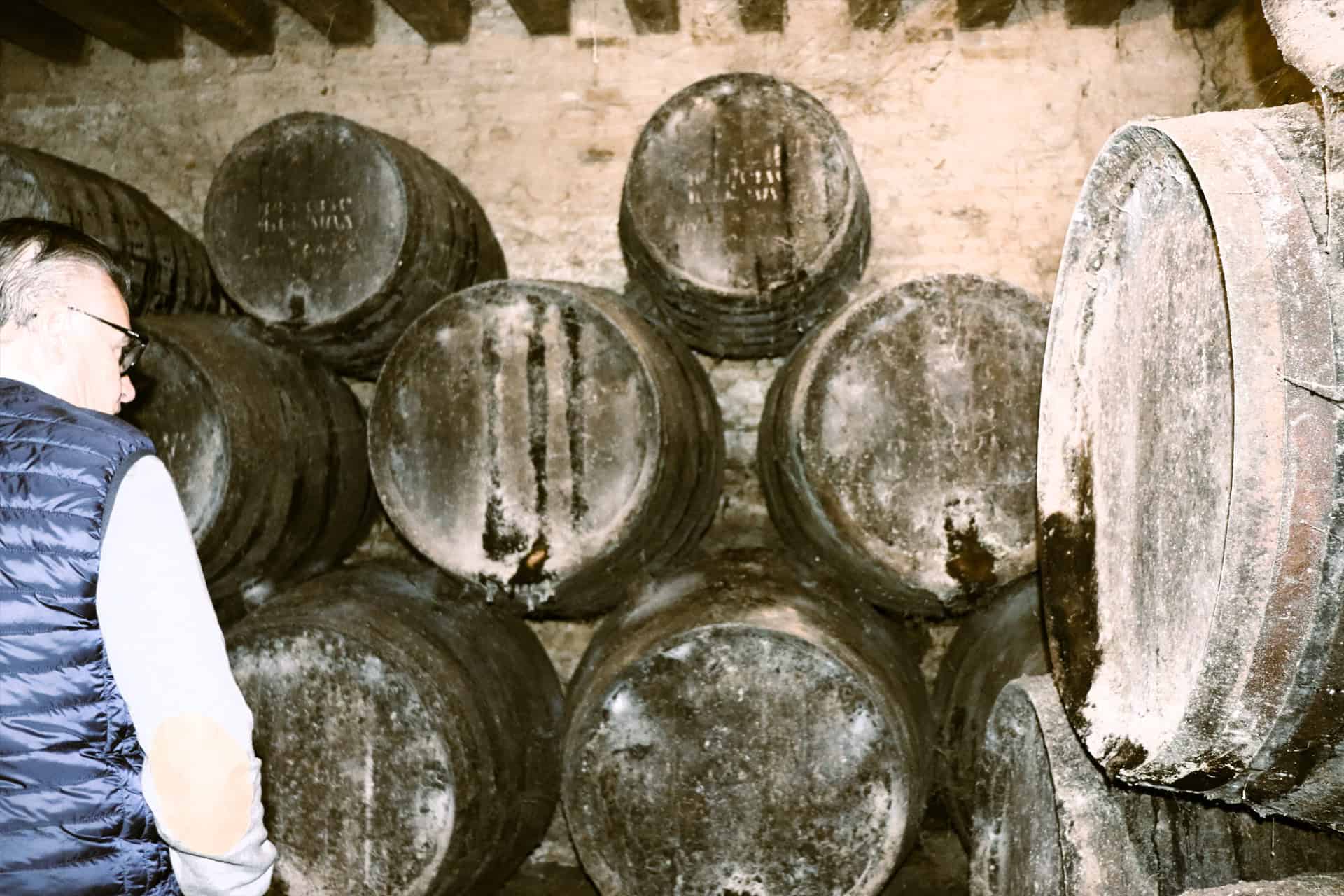
For its part, in Moguer, wine becomes literature. The Route leads us in the footsteps of the Nobel Juan Ramón Jiménez. Strolling through its white streets and squares to visit his house-museum, allows us to understand how the culture of wine impregnated the sensitivity of the poet of Platero y yo, in a town where the old convents and historic wineries still keep the echo of the American trade. Here you can visit one of the wineries members in our ‘Wine Route of the Condado de Huelva’, Bodegas del Diezmo Nuevo, a family winery better known in Moguer as Bodegas Saenz, was founded in 1770 and is one of the five oldest active wineries in Spain.
The Route cannot be understood without Bollullos Par del Condado. It is the nerve center where family wineries and cooperatives open their doors wide. In Lent, visiting its churches and chapels is an obligatory rite. Here, hospitality is not a service, it is a feature of identity in which to share their sweet wines with local pastries typical of these dates as their cakes of rezobá, pestiños, torrijas, etc..
Springtime on the Condado de Huelva Wine Route is eaten with a spoon and enjoyed with the hands. The gastronomy of Lent reaches here a sublime dimension. It is the time of masterfully prepared cod, spinach with chickpeas and, of course, the enzapatás beans, that local treasure where pennyroyal or mint and garlic work the miracle. The sweet sprout is provided by the torrijas, bathed in honey from Doñana or in the generous wines of the area, closing a perfect sensory circle.
Finally, do not leave Condado de Huelva without discovering one of its secrets: look for the “sacristies” of the family wineries of the Route. There, the winemaker zealously guards his best wines, those elaborations that are not found on the shelves of supermarkets or wine shops and that are offered only to the traveler who shows curiosity and respect for tradition. Only those who visit the land can discover these treasures. That is the real hidden jewel of the Condado: the generosity of a people who open their legacy in every glass.

Tags :